
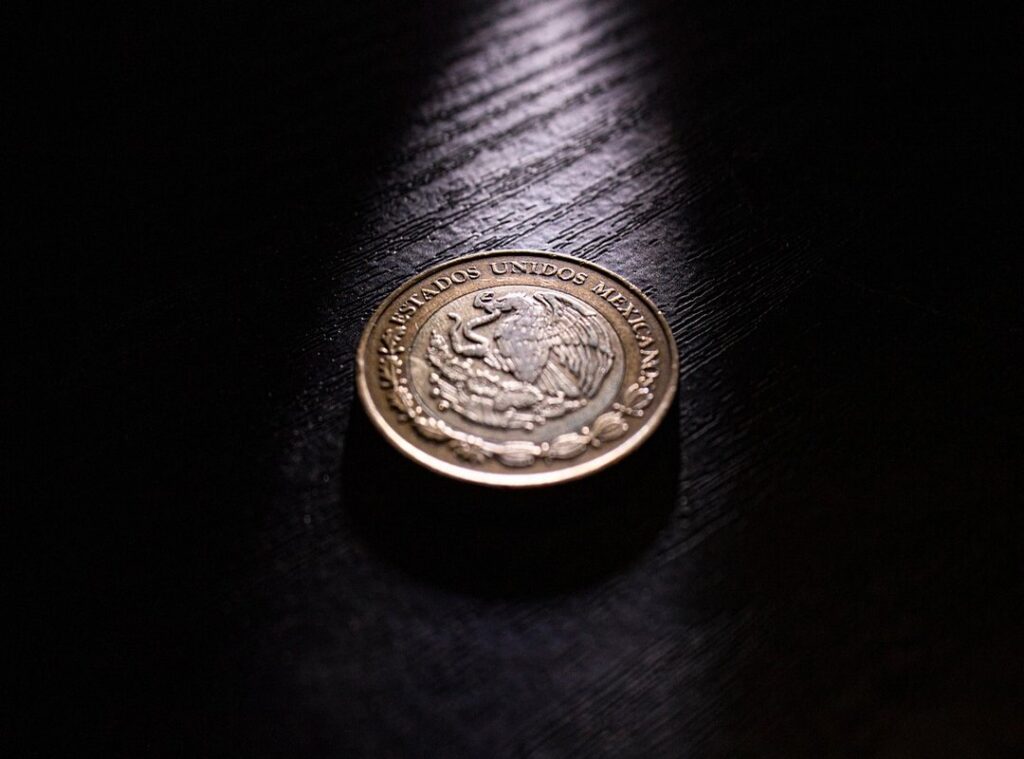
Right now, 70000 pesos colombianos a colones is about 14,500 CRC. This is as of today’s date.
But here’s the thing: that number can change. A lot.
You might be thinking, “Why does it matter?” Well, it matters because the rate you actually get can vary significantly.
And that’s where this guide comes in, and i’m not just giving you a number. I’ll explain why the rate fluctuates and how to get the best possible deal.
Losing money to hidden fees and poor exchange rates is a common pain point. It’s frustrating, right?
This article breaks down everything from economic factors to practical, on-the-ground exchange tips. You’ll know exactly what to do to keep more of your hard-earned cash.
Understanding the Numbers: What is the Real Exchange Rate?
The mid-market rate, also known as the interbank rate, is the ‘true’ exchange rate that banks and large financial institutions use. Think of it like the wholesale price of a product.
Why is this rate the benchmark? Because it’s the rate at which banks buy and sell currencies to each other without any markup. Consumers rarely get this rate because currency exchange services need to make a profit.
Imagine you’re converting 70,000 COP to CRC, and the formula is simple:
(70,000 COP) x (CRC per 1 COP) = Total CRC
To find the current mid-market rate, you can check reliable financial news sites or currency conversion tools.
Currency exchange services add a margin, or spread, to the mid-market rate. This spread is how they make a profit. It’s like the difference between the wholesale and retail prices of a product.
For 70,000 pesos colombianos a colones, after fees and spreads, you might expect to receive between X and Y colones. The exact amount depends on the service you use and their specific rates.
Pro tip: Always compare rates from different providers to get the best deal.
Why Does the COP to CRC Exchange Rate Fluctuate?
The COP to CRC exchange rate isn’t set in stone. It’s a floating rate, which means it changes based on supply and demand in the foreign exchange (forex) market.
National economic health plays a huge role. Inflation, interest rates, and GDP growth in both Colombia and Costa Rica can make their currencies more or less valuable. For example, if Colombia’s inflation is high, the Colombian peso (COP) might weaken.
Inflation can erode the value of a currency. If one country has higher inflation than the other, its currency will likely be worth less. This is why you see fluctuations in the exchange rate.
Interest rates also matter. Higher interest rates can attract foreign investors, making the currency stronger. If Costa Rica raises its interest rates, the Costa Rican colón (CRC) could become more attractive.
GDP growth is another key factor. A growing economy signals strength and stability, which can boost a currency’s value. If Colombia’s GDP is growing faster than Costa Rica’s, the COP might strengthen.
Major industries have a big impact too, and coffee is a major export for Colombia. If coffee prices rise, it can lead to more revenue and a stronger COP.
On the other hand, tourism is vital for Costa Rica. A strong tourism sector can bring in more foreign currency, making the CRC stronger.
Political stability and foreign investment are also crucial. Investors prefer stable environments. If there’s political unrest in either country, it can scare off investors and devalue the currency. 70000 pesos colombianos a colones
Foreign investment can also influence the exchange rate. More investment means more demand for the local currency, which can drive up its value.
Why does this matter, and because the exchange rate can change daily. If you’re planning to convert 70000 pesos colombianos a colones , checking the rate beforehand is crucial.
You don’t want to miss out on a better deal or end up with less than you expected.
Pro tip: Always check the latest exchange rate before making any transactions. It can save you money and headaches in the long run.
Best and Worst Ways to Exchange Your Colombian Pesos
When you’re in Colombia, exchanging your pesos can feel like a maze. Let’s break it down.
Bank exchanges are like the well-trodden path. They’re secure, but they often come with higher fees and less favorable rates. It’s like paying extra for a branded item when a generic one works just as well.
Airport currency kiosks are the convenience store on the corner. Super handy, especially if you need cash in a hurry. But, they almost always offer the worst exchange rates and highest fees.
Think of them as the overpriced snacks at a movie theater.
Local ‘Casas de Cambio’ (Exchange Houses) are like the hidden gems in a city. Often, they have competitive rates, especially in city centers. The catch?
You need to find a reputable one. It’s like discovering a great local restaurant, but you have to do a bit of research first.
Digital money transfer services, like Wise or Remitly, are the modern-day superheroes. They offer excellent rates and low fees, making them super convenient. The downside?
You need to set up an account, and the process might not be instant. It’s like having a high-tech gadget that needs a bit of setup time.
For small amounts upon arrival, an ATM is best. For larger transfers, use a digital service. If you’re dealing with 70000 pesos colombianos a colones, a digital service will likely save you a lot of money and hassle.
Practical Tips for Getting the Most Costa Rican Colones

When you’re traveling to Costa Rica, getting the best deal on colones is key. Always compare rates online before committing to an exchange service. This way, you can avoid hidden fees and poor exchange rates.
Be wary of exchanging money with individuals on the street. The risk of scams or counterfeit currency is just too high. Stick to reputable banks and exchange offices.
Dynamic Currency Conversion (DCC) is a sneaky thing some merchants use. They offer to charge you in your home currency, but the rate they use is often terrible. Always choose to be charged in the local currency (CRC) when using a credit card.
Using a credit card with no foreign transaction fees is a smart move. It often provides a rate close to the mid-market rate, which means more colones in your pocket.
If you’re coming from Colombia, you might be wondering about 70000 pesos colombianos a colones. Do the math and check the current exchange rate. It’s always better to know exactly what you’re getting.
By following these tips, you’ll make the most of your money in Costa Rica.
Making Your Money Go Further in Costa Rica
Converting 70,000 Colombian Pesos is more than just a number—it’s about understanding the process to maximize its value. Avoiding unnecessary fees and poor rates that eat into travel or transfer funds is crucial. The best strategy is to plan ahead, compare options, and avoid convenient but costly choices like airport kiosks. 70000 pesos colombianos a colones can go much further with a bit of planning.
Before your next trip or transfer, take five minutes to compare rates using the methods we’ve outlined—it could save you a significant amount.