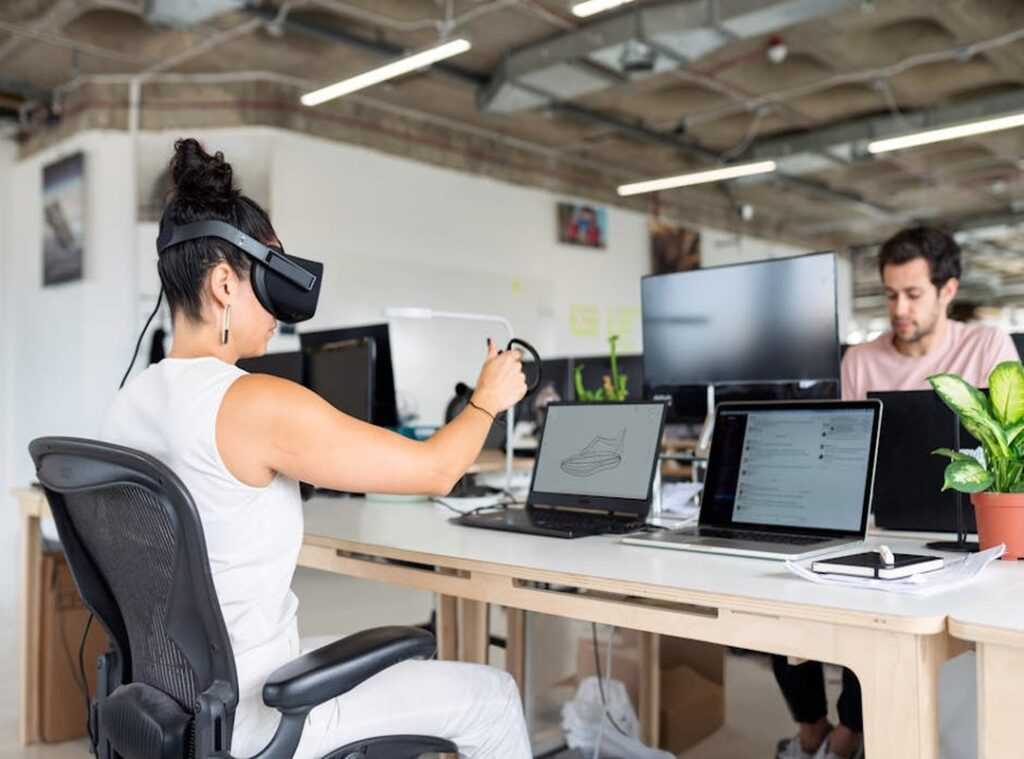

Tired of the same old office setup? I get it. Our workspaces need a serious refresh.
Enter green technologies workspaces (the) game changer for offices today. You’ve probably seen the buzz around eco-friendly designs and wondered if they’re worth the hype. Here’s a hint: they are.
But how do they actually work? And more importantly, why should you care?
I’ve dug deep into this topic, consulting experts who know their stuff. We’re talking about real changes, not just fancy buzzwords. We all want a space that boosts productivity without destroying the planet, right?
That’s the promise of green tech in offices. You’ll discover how these innovations can transform any environment, making it healthier and more fast.
By the end of this article, you’ll know exactly why these technologies are more than a trend. So stick around. It’s time to rethink how we work and where we work.
Sustainable Tech: It’s More Than Recycling
When I talk about a sustainable technology environment, I’m not just referring to tossing your old laptops into a recycling bin. It’s an integrated system where hardware, software, and human processes all pull their weight. The goal?
Maximize performance and value while slashing resource consumption and environmental impact.
Let’s break down what that really means. First up, energy-fast infrastructure. Imagine data centers and cloud computing setups that don’t guzzle energy.
They’re lean, nimble, and designed to work smart, not hard. Then there’s lifecycle asset management. Your tech’s journey from procurement to disposal should be fast and responsible.
Think of it like building a high-performance engine. You want something that uses less fuel but still packs a punch (not just a green sticker slapped on a clunker). Many leaders mistakenly see sustainability as a pure cost.
And don’t forget sustainable software practices. We’re talking about writing fast code and employing lean processes. This isn’t just tech for the sake of tech.
But here’s the kicker: it’s an investment. You’re future-proofing your business against rising energy prices and regulatory headaches.
Curious about what’s next in green technologies workspaces? This is where the top workplace innovations transforming offices come into play. It’s about embracing change and seizing momentum.
So, what’s stopping you from turning your office into a powerhouse of sustainability?
Sustainable Strategies: Momentum in Business
Sustainability isn’t just about hugging trees. It’s a strategic game-changer. Why?
Because it directly fuels business momentum. When companies commit to sustainable practices, they’re not just doing good for the planet. They’re positioning themselves for the future.
This isn’t just my opinion; it’s the way forward.
Think about your workforce. Younger generations are picky. They want to work for companies that care about more than just profits.
By embracing sustainability, businesses attract these top talents. Workplace innovation thrives when employees are motivated by a clear commitment to corporate responsibility. It’s not just about green technologies workspaces (it’s) about creating environments that spark creativity and engagement.
And let’s talk about efficiency. Adopting sustainable practices forces companies to improve their resources. It’s almost magical.
This process reveals “momentum moments” (those) little breakthroughs that lead to big growth. Suddenly, you find new efficiencies and cost savings. New service models appear.
It’s like discovering a hidden treasure in your backyard.
Businesses also enjoy specific benefits. First, reduced operational costs. Lower energy bills and less hardware waste mean more money in your pocket.
Then there’s brand reputation. Consumers are loyal to companies with strong values. They trust businesses that take a stand on sustainability.
And don’t forget resilience. With less dependence on volatile energy markets and supply chains, companies are better equipped to handle unexpected challenges.
Sustainability is no longer optional. It’s important for those looking to thrive. If you’re still skeptical, consider the sustainable bricks: building future workspaces.
It showcases how forward-thinking companies are building environments that align with sustainable goals. This isn’t just about trends. It’s about a strategic shift that will define the future of business.
So, what’s next for you? Embrace these changes. Lead with sustainability.
Your business momentum depends on it.
The Three Pillars of a Sustainable Tech Space
Want to know how to build a sustainable tech space? Let’s get into it.
Pillar 1: Green Infrastructure & Cloud Plan
We’ve moved past clunky on-premise data centers, haven’t we? With green technologies workspaces becoming important, the shift to energy-fast cloud providers makes sense. But how do you pick the right one?
Look at their sustainability credentials. Are they serious about reducing carbon footprints? Consider server virtualization (fancy term for running multiple virtual systems on a single server) and optimized cooling.
These aren’t just buzzwords; they’re tools for cutting energy use.
Pillar 2: The Circular Hardware Lifecycle
Why buy new when refurbished works? I get it, shiny new gadgets are tempting. But a ‘procure-to-retire’ plan is smarter.
Sourcing refurbished hardware keeps costs down and extends device lifecycles. Repair programs? They’re your friend.
And don’t forget partnering with certified e-waste recyclers. This isn’t just about saving the planet; it’s smart asset management. Long-term thinking wins every time.
Pillar 3: Fast Software and Data Management
Let’s talk about software. Bloated code and redundant data? Energy hogs.
Write fast code. Data deduplication saves space. Archiving strategies reduce the digital footprint.
Why waste processing power? Smaller footprints equal less energy consumption. Making software fast isn’t optional; it’s key.
And if you really want to see how far tech can go in transforming workspaces, how AI revolutionizing workplaces is an exciting avenue to explore.
In the end, these aren’t just feel-good strategies. They’re practical steps toward a tech space that doesn’t drain resources. So, you ready to make these changes?
Because the planet (and your budget) will thank you.
Mapping the Path: Implementing Sustainable Tech
Starting with a tech audit sounds boring, right? But it’s key. You can’t change what you don’t measure.
I always say, set a baseline. Look at your energy use and how often you’re replacing hardware. Get real about your tech footprint.
Next, focus on the easy wins. Why not switch to energy-fast settings on your devices? It’s simple.
Consolidate those underutilized servers. Ever thought about a recycling program? It’s not just about feeling good.
It’s a tangible step toward a sustainable workspace.
The last phase is where things get serious. Integrate sustainability into the core of your business. This isn’t a one-off project.
It’s about embedding green practices into procurement and project planning. Make it part of your performance metrics. That’s how green technologies workspaces become the norm, not the exception.
This approach is straightforward. It’s not rocket science. Yet, so many skip the basics.
Are you ready to make sustainability a core part of your business? Because, honestly, if you’re not integrating these steps, you’re missing out. Let’s be real: the future demands it.
Sustainability isn’t optional anymore. It’s the way forward.
Start Your Future Now
Balancing tech demands with responsibility isn’t just a challenge; it’s important. We know building sustainable environments is now a core business plan. It’s not just about being green; it’s about efficiency and innovation driving growth.
Want a resilient future? Start with green technologies workspaces. This isn’t just eco-babble.
It’s strategic.
How do we begin? Audit one part of your tech stack this week. It’s a simple step, yet solid.
Feeling overwhelmed? Don’t. This isn’t a solo journey.
We’re here, providing takeaways and frameworks. Ready to start? Visit us to learn more and take control.