Big goals mean nothing without measurable movement. Too often, initiatives begin with energy and ambition, only to lose direction halfway through—leaving teams unsure whether they’re making real progress or just staying busy. This article addresses that gap head-on. You’ll discover a practical framework built around proven progress tracking methods that turn effort into evidence of achievement. From setting clear, outcome-driven objectives to combining quantitative metrics with qualitative feedback, we’ll show you how to build a system that keeps momentum alive. Because true performance isn’t about checking boxes—it’s about creating a structure where progress is visible, measurable, and repeatable.
The Foundation: Choosing the Right Goal-Setting Framework
By implementing momentum mapping, you not only gain clarity on your progress but also avoid the strategic planning mistakes that can slow business growth, as discussed in our previous article – for more details, check out our Strategic Planning Mistakes That Slow Business Growth.
You can’t measure progress without a target. It’s like stepping on a scale without knowing your starting weight (interesting, but not helpful). Effective progress tracking methods only work when there’s a clear benchmark.
Some argue that rigid frameworks stifle creativity. Fair point. But vague goals like “grow the business” don’t inspire innovation—they create confusion. Clarity creates freedom.
Method 1: SMART Goals
SMART stands for Specific, Measurable, Achievable, Relevant, Time-bound. This framework works best for discrete projects and individual tasks.
Business example: Increase lead-to-customer conversion rate by 10% in Q3.
Why it works:
- Specific metric (conversion rate)
- Clear timeline (Q3)
- Defined improvement (10%)
Pro tip: If you can’t assign a number or deadline, it’s not SMART yet.
Method 2: OKRs
OKRs (Objectives and Key Results) are built for ambitious, strategic goals. An inspirational Objective is supported by 3–5 measurable Key Results.
Example:
- Objective: Become the recognized leader in our niche.
- Key Result: Secure 3 feature articles in top industry publications this quarter.
Think Google-scale ambition, even if you’re a five-person team.
How to Choose
Rule of thumb:
- Use SMART for what you’re doing (projects).
- Use OKRs for why you’re doing it (strategic impact).
Quantitative Monitoring: Using KPIs to Track Performance
If you’re not measuring performance, you’re guessing. And in business, guessing is expensive.
Key Performance Indicators (KPIs) are quantifiable measures that show how effectively a company is achieving its key objectives. “Quantifiable” simply means measurable with numbers. Revenue growth, churn rate, and delivery time all qualify. If it can’t be tracked, it can’t be improved (at least not reliably).
Here’s where many teams get it wrong: they obsess over lagging indicators. A lagging indicator measures past outcomes—like Quarterly Revenue. It tells you what already happened. Useful? Yes. Sufficient? No.
Leading indicators, on the other hand, predict future performance. Think Number of Sales Demos Booked Weekly. If demos rise, revenue likely follows. In my view, effective monitoring should prioritize leading metrics. Watching only lagging data is like driving while staring in the rearview mirror.
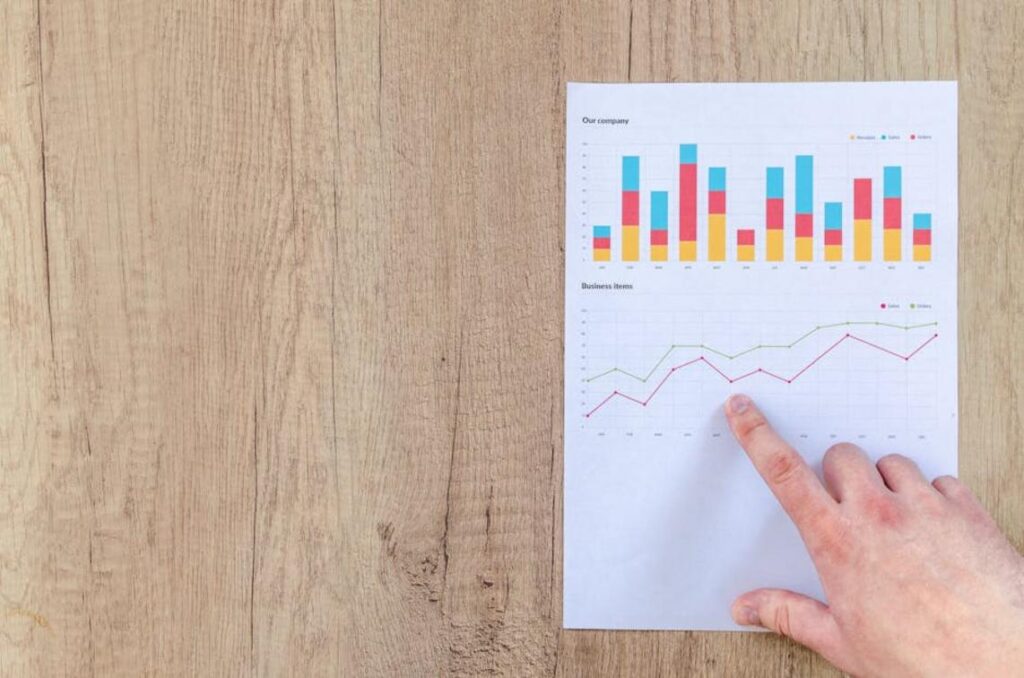
A strong KPI dashboard makes this practical. It should:
- Be simple and visually clear
- Show trends over time
- Focus on a handful of critical metrics
Not 37 charts. Not vanity metrics. Just what moves the needle.
Actionable examples:
- Marketing: Customer Acquisition Cost (CAC)
- Operations: Order Fulfillment Time
- Customer Success: Net Promoter Score (NPS)
These are concrete progress tracking methods that connect daily activity to strategic outcomes.
Personally, I believe consistency beats intensity. Small, measurable wins compound—much like the principles behind how to build daily momentum for long term success.
Track what matters. Ignore the noise. And let data—not gut feelings—drive your next move.
Qualitative Evaluation: Understanding the ‘Why’ Behind the Numbers
Start with an anecdote about a project that looked perfect on paper but quietly fell apart. A few years ago, I led a launch that hit every KPI—on-time delivery, budget intact, strong initial sales. Yet three months later, the team was burned out and customers were confused about the product’s real value. The data told me what happened. It didn’t tell me why.
That’s the limit of quantitative data (numerical measurement used to track performance). Numbers are clean. Comforting. Objective. But they rarely explain motivation, friction, or hidden trade-offs. As management expert W. Edwards Deming famously implied, focusing only on visible figures can distort understanding (Deming, Out of the Crisis).
Method 1: After-Action Reviews (AARs)
An After-Action Review is a structured debrief used after a project or event. It revolves around four questions:
- What was supposed to happen?
- What actually happened?
- Why was there a difference?
- What will we do differently next time?
In my case, the “difference” was unrealistic internal timelines (we optimized for speed, not clarity). Pro tip: document answers within 48 hours while memories are fresh.
Method 2: Regular Check-ins and 360-Degree Feedback
Meanwhile, shift from annual reviews to continuous feedback loops. Regular check-ins—short, informal conversations—surface morale issues and process bottlenecks before dashboards ever flicker. 360-degree feedback (input from peers, managers, and direct reports) adds perspective data simply can’t capture.
Integrating Feedback
However, insight without action is trivia. Use progress tracking methods in the section once exactly as it is given. Then adjust KPIs, refine timelines, or reassign resources accordingly. Over time, this creates an agile rhythm—less “set it and forget it,” more “learn and adapt” (think less spreadsheet, more post-game locker room talk).
Leveraging Technology for Real-Time Progress Monitoring
Modern software automates data collection and visualization, turning raw numbers into live dashboards your team can act on immediately. Instead of chasing spreadsheets, set up integrations that pull data directly from sales, marketing, and operations systems.
Start with three categories:
- Project Management Software to track task completion rates.
- BI Tools to visualize KPIs in time.
- Dedicated OKR Platforms to align daily work with quarterly goals.
Pro tip: define clear ownership for metric before launching progress tracking methods. The goal is a single source of truth—one view from frontline staff to executives.
Creating a Culture of Continuous Improvement
Creating a culture of continuous improvement starts with a system that actually measures what matters. By combining clear goals (OKRs/SMART), hard data (KPIs), and human insight (qualitative feedback), you move your team from simply being busy to being truly effective. That shift solves the real pain point: working hard without knowing if it’s working.
This integrated approach drives transparency, builds accountability, and gives you the insight needed to adapt quickly in a changing environment.
Start small. This week, pick one critical project, define one leading KPI, and schedule a 15-minute After-Action Review. Take action now—and turn effort into measurable progress.