
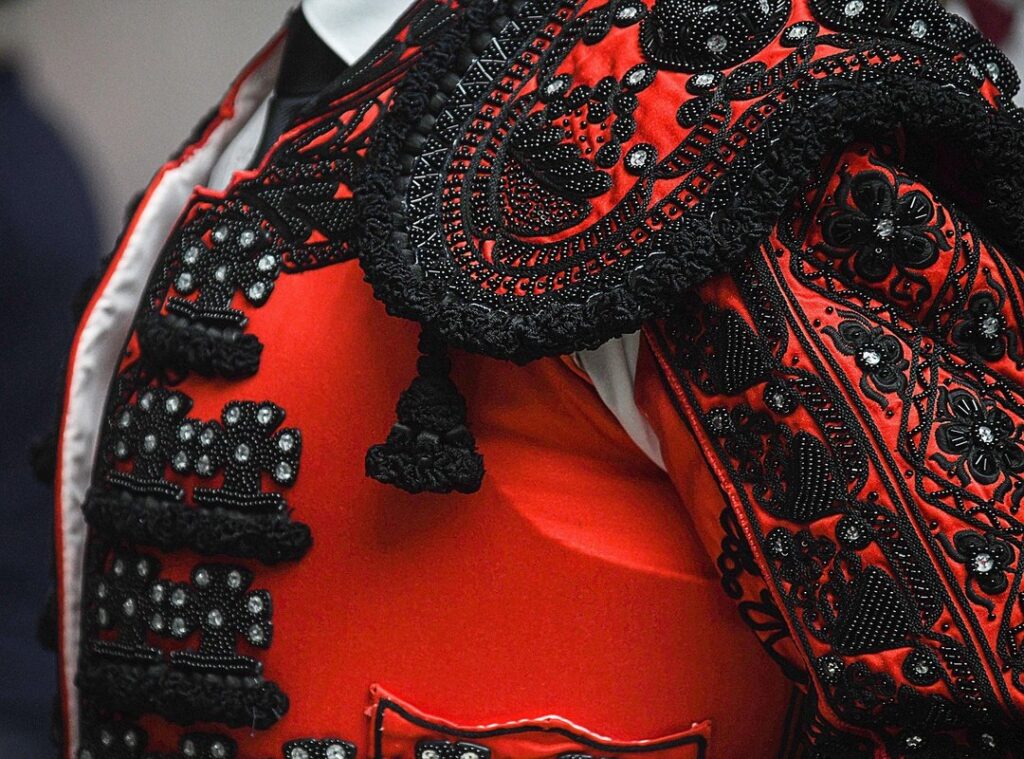
The term torera virgen might sound like a contradiction, but it’s more of a cultural concept than a literal job. Think about it: the idea of purity mixed with the brutal, hyper-masculine world of bullfighting. It’s a paradox that’s both fascinating and deeply symbolic.
This article aims to dive into the historical roots, artistic symbolism, and modern relevance of the torera virgen. Why has this term captivated artists and audiences for centuries? Let’s find out.
Deconstructing the Myth: What Does ‘Torera Virgen’ Actually Mean?
Have you ever wondered why some terms carry so much cultural weight? Let’s start with torera. It refers to a female bullfighter, and it’s a role that’s faced immense challenges in a male-dominated tradition.
Women who dared to enter the bullring were often met with skepticism and resistance.
Now, let’s talk about virgen. In historically Catholic Spain, this word represents purity, innocence, and untouchable honor. It’s a concept deeply rooted in the country’s religious and cultural heritage.
Combine these two concepts, and you get torera virgen. This term symbolizes a woman who enters the violent, ‘unclean’ world of the bullring but remains spiritually pure.
Why is this significant? The torera virgen was a way to make female bullfighters more palatable to a skeptical public. They were framed as almost saintly figures rather than transgressors.
Think of it like a warrior-saint—someone who embodies both the courage of a fighter and the purity of a saint.
Is the term about a person’s actual sexual history? Not really. It’s more about a symbolic ideal of courage and incorruptibility.
It’s a way to honor the strength and integrity of women who dared to challenge the norms.
So, next time you hear torera virgen, remember it’s not just a title. It’s a complex cultural symbol that speaks volumes about the intersection of tradition, purity, and bravery.
Real Women of the Bullring: The Pioneers Who Inspired the Legend
Let’s talk about Juanita Cruz and Conchita Cintrón. These women defied convention and stepped into the bullring, a place traditionally dominated by men. They faced immense societal and legal barriers.
For instance, laws in Spain once forbade women from fighting bulls on foot.
The public and media had a lot to say. They projected ideals of femininity and purity onto these women, contributing to the torera virgen mythos. Even if the term wasn’t used directly, the idea was clear: these women were seen as pure and untouchable, almost like symbols rather than real fighters.
Conchita Cintrón, for example, was known for her incredible skill and bravery. She faced resistance from male counterparts who didn’t believe a woman could handle the bullring. One time, she performed a daring move that left even the most skeptical critics in awe. Etrsbizness
Her determination and skill were undeniable.
Fast forward to the modern era, figures like Cristina Sánchez began to shift perceptions. It wasn’t just about novelty anymore; it was about recognizing pure athletic talent. The struggles and triumphs of these women laid the groundwork for future generations.
Their legacy is a testament to breaking barriers and proving that skill and bravery know no gender.
From the Ring to the Canvas: The ‘Virgin Bullfighter’ as an Artistic Icon

I remember the first time I saw a painting of a torera virgen. It was a Francisco Goya piece, and it left me speechless. The contrast between the ornate, pristine traje de luces and the gritty, blood-stained arena was striking.
Artists have always been drawn to the bullfight’s symbolism. Ernest Hemingway wrote about it, capturing the raw, visceral experience in his works. He saw the bullring as a microcosm of life—where death and survival are on full display.
The torera virgen is a powerful figure. She represents innocence and purity in a world that’s anything but. This archetype explores themes of life and death, innocence versus corruption, and the sacred versus the profane.
In Goya’s “The Bullfight,” you can see this tension. The bullfighter, with her elaborate, almost regal attire, stands out against the brutality of the ring. It’s a visual metaphor for maintaining one’s integrity in a harsh environment.
Think about it. How many times have you felt like you’re fighting your own battles, trying to stay true to yourself? The torera virgen embodies that struggle.
She’s a symbol of resilience and grace, even when everything around her is chaos.
This concept isn’t just about bullfighting. It’s a universal theme. Whether in art, literature, or film, the torera virgen serves as a reminder that we can hold onto our values, no matter how brutal the world gets.
Why This Seemingly Obscure Term Still Resonates Today
The torera virgen has evolved from a term that once described pioneering women to a symbol rich with cultural and artistic significance. It captures the essence of those who dared to challenge norms, embodying both grace and strength. The core conflict it represents is a timeless one: the tension between femininity and force, purity and violence, tradition and rebellion.
These themes continue to resonate in today’s discussions about gender and identity.
Is the torera virgen an outdated, sexist trope, or does it stand as a timeless symbol of female strength and resilience? This question invites us to reflect on how we view and value different forms of courage and defiance. Symbols like the torera virgen, born from specific cultural moments, continue to shape our understanding of what it means to be brave and true to oneself.
The torera virgen is more than a historical footnote; it’s a lasting story about defiance and the complex nature of heroism.